January 27th 2026
Dublin & Southwestern Ireland

Traveler: Madeline Seago
Destination: Dublin & Southwestern Ireland
This past summer, Madeline Seago explored Dublin and southwestern Ireland with her parents, sister (who works at Historical Concepts NY), husband (who works at Historical Concepts ATL), and their then-one-year-old daughter (who does not yet work at Historical Concepts).

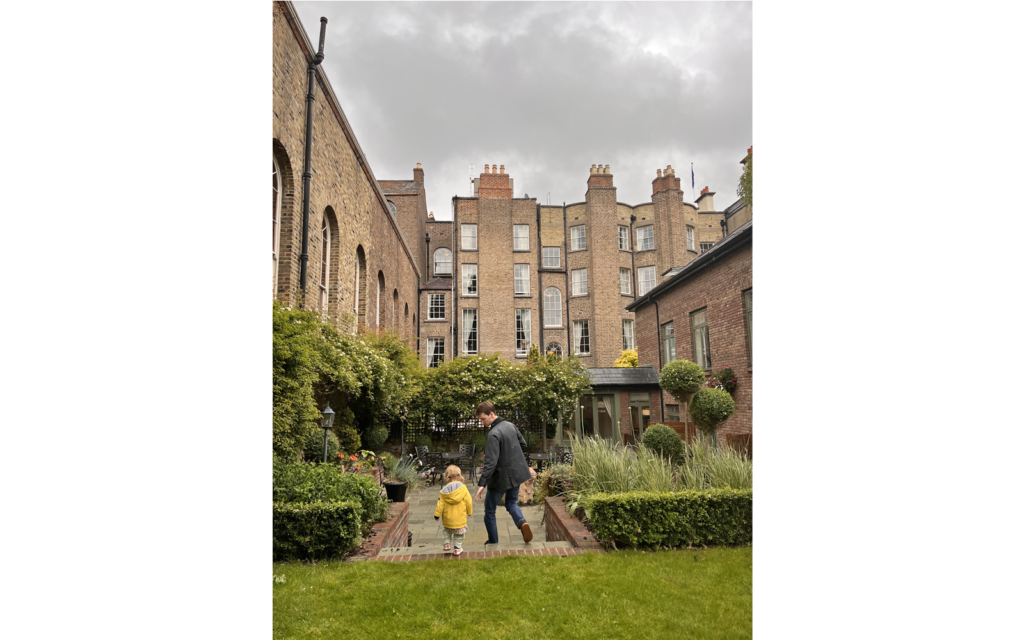
In a hotel garden in Dublin. The high ratio of glass to brick was wonderful.
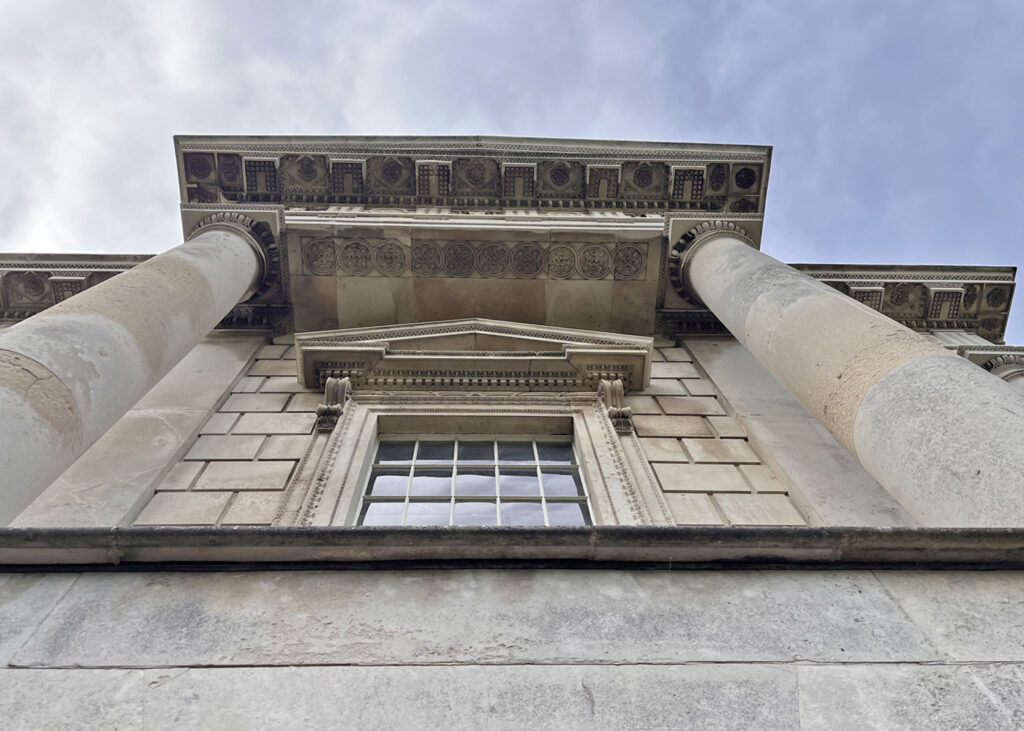
One of our first stops was the Casino Marino, a deceptively scaled early 18th century party pavilion. Designed by Sir William Chambers, the building is a great example of neoclassical architecture. From outside, the building seems like it might hold one well-appointed space.
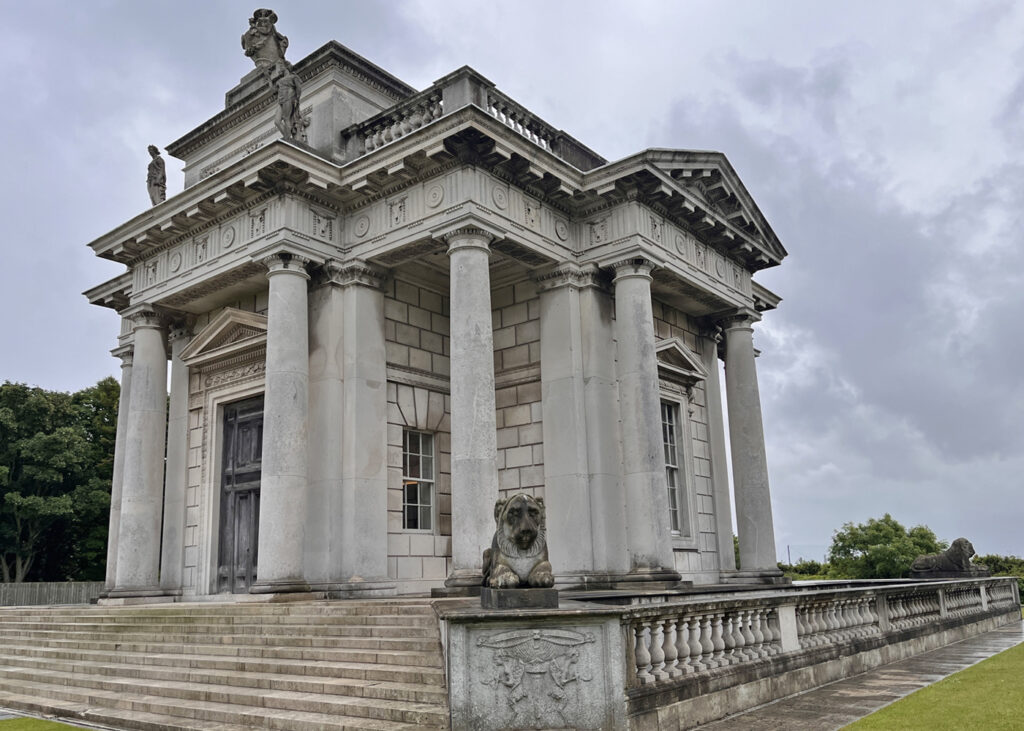
Casino Marino
Within, the building is actually 4 levels, containing reception rooms, bedrooms, and a warren of service rooms at the cellar level. The building’s interior detail is impeccable throughout, both in the ‘front of house’ and the simpler, but still well-proportioned cellar. We enjoyed taking photos of the details as souvenirs (and reference material).
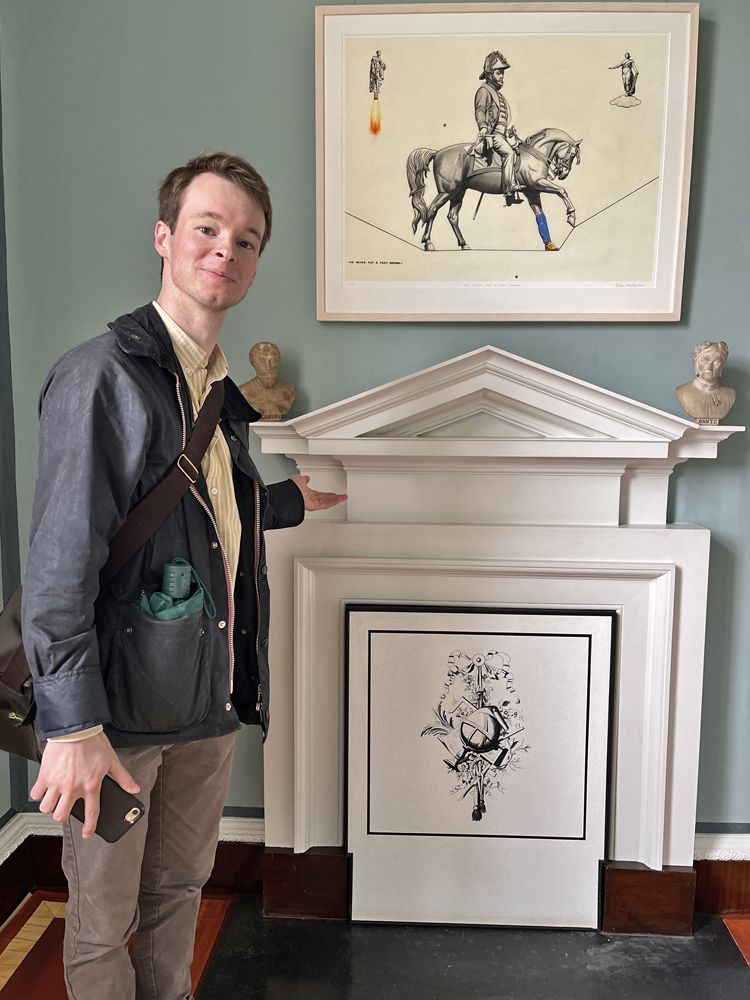
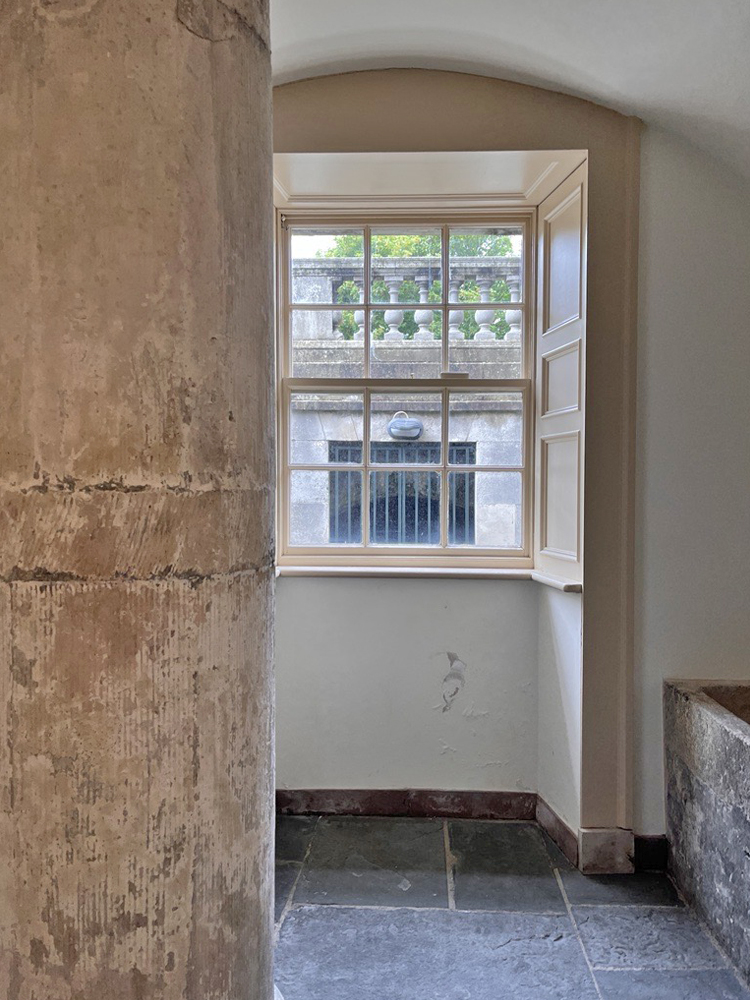
Left: Andrew, for scale, near a diminutive fireplace in the small study on the main floor. Right: A window in the cellar, still finished with lovely paneling, looking out to the railing, above. A rough stone sink, to the right.
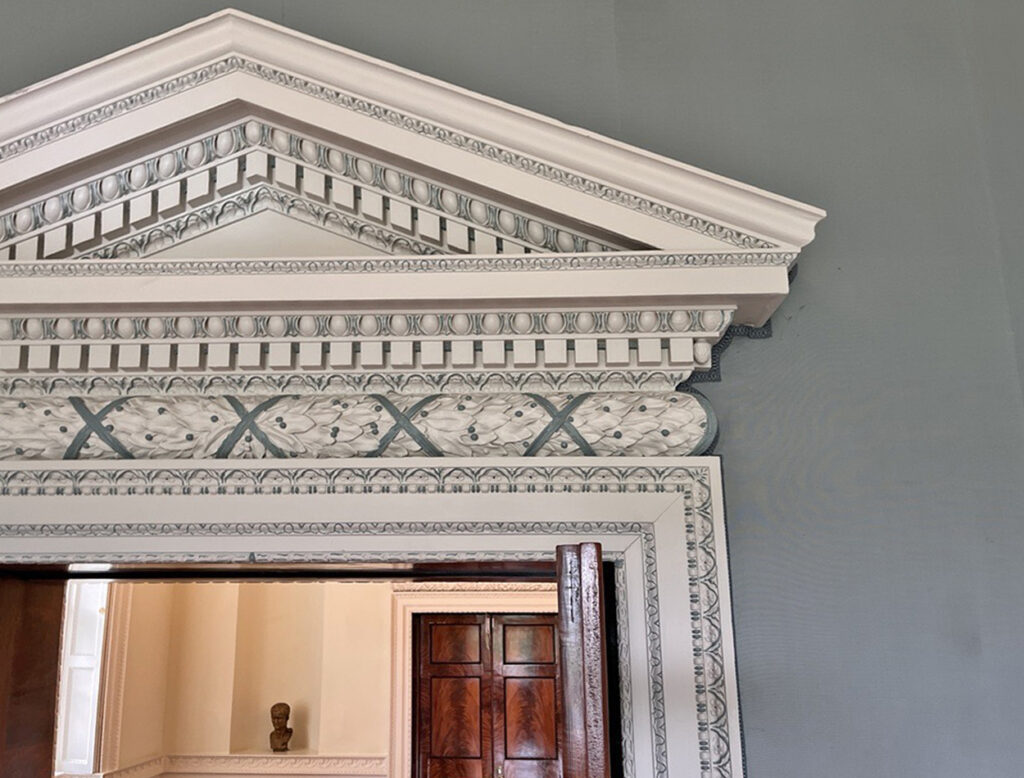
A pediment dripping with carving in the main entertaining salon, with walls done in blue fabric, a darker blue ribbon trim, and the trim details picked out in the blue.
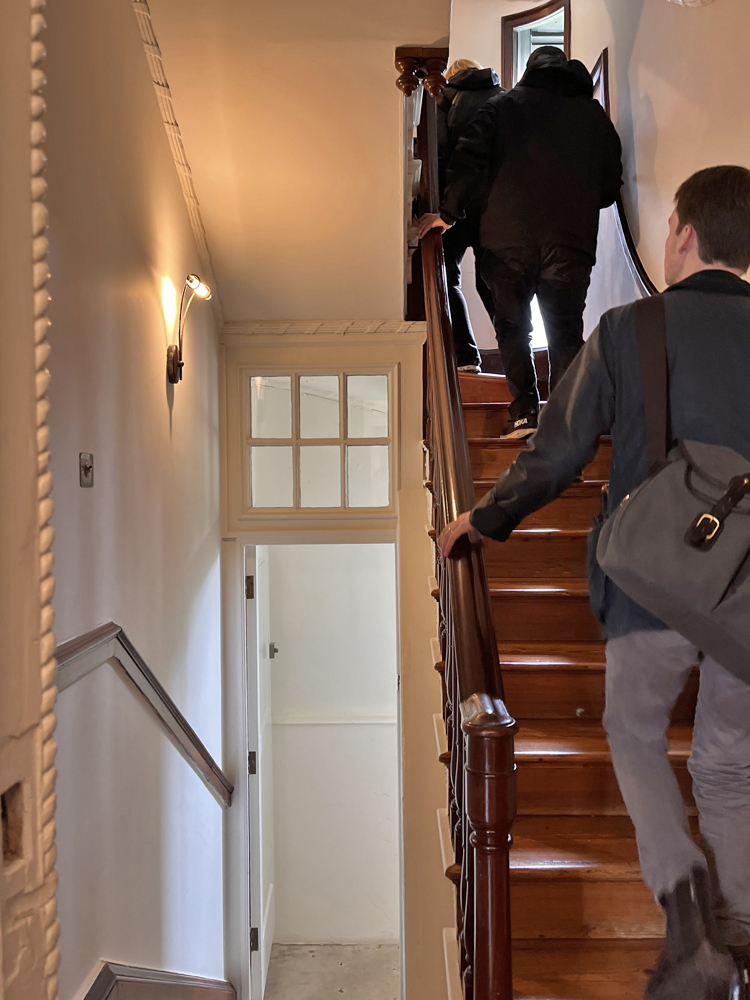
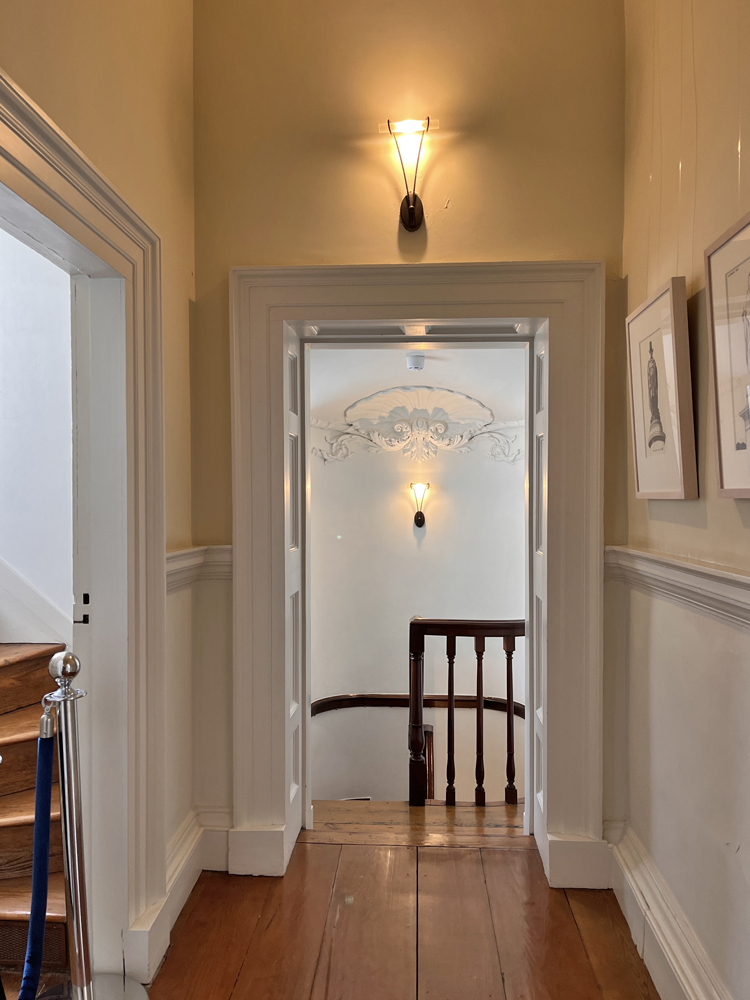
Left: The stair to the second floor – taking notes on the sweet, small transom window and clever trim transitions. Right: Upstairs hall, with thick trim. After climbing the small stair, ascenders are rewarded with great plasterwork at the ceiling.
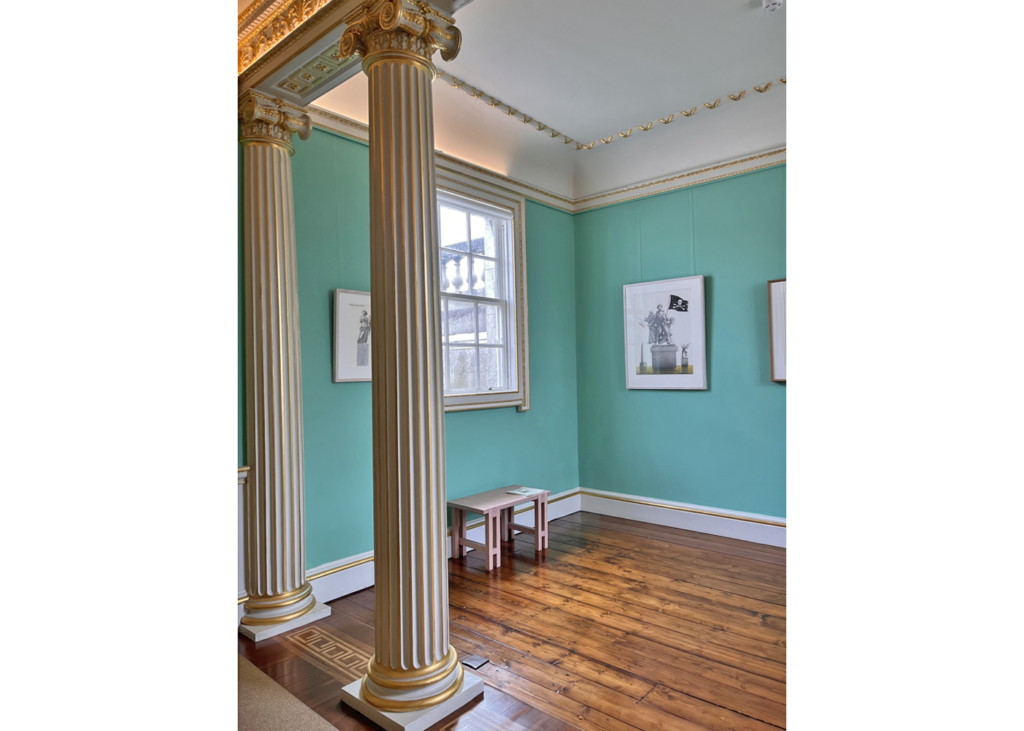
A corner of a bedroom, upstairs. A lot of gilding for midday, but likely pretty stunning in candlelight.
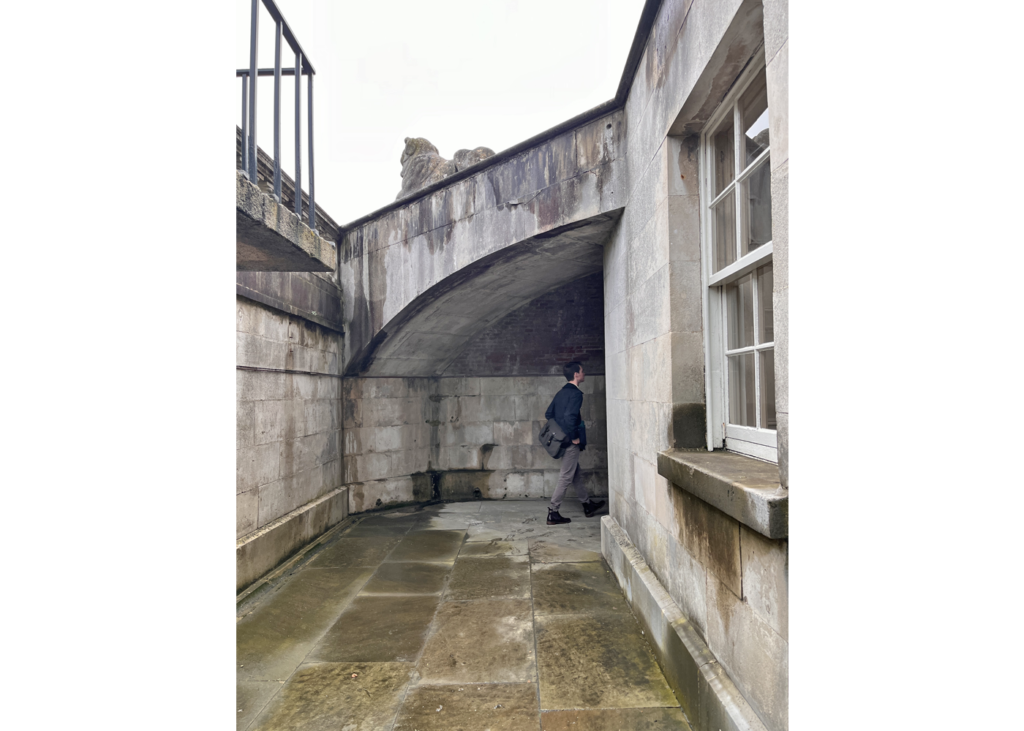
Here, Andrew getting ideas - if any project not yet on the boards needs a moat, Andrew’s got it covered.
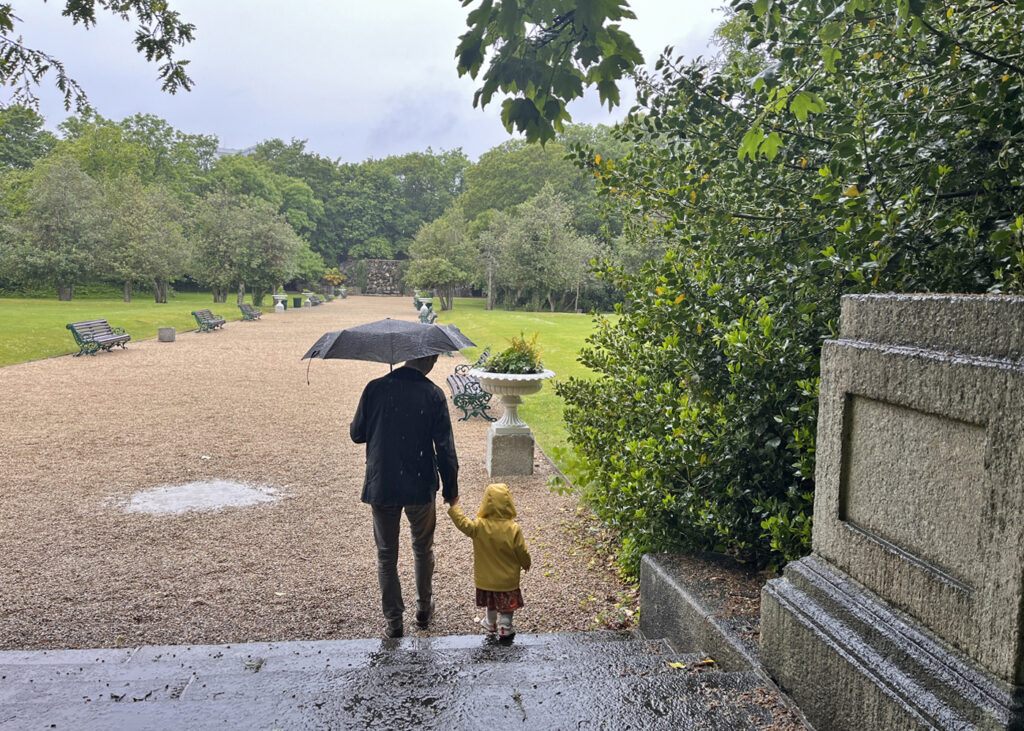
With a toddler in Dublin, some of our favorite spots were parks – in particular the Iveagh Gardens, donated to the state by a member of the Guinness family. The park is entirely hugged within a larger city block in central Dublin – well worth a look on Google maps. Being within many building ‘backs’ creates a quiet zone that almost made us forget about the city.
Then, we bumped down small roads in a small car with an open atlas.

Dromoland Castle Hotel – a beautiful drive through the grounds.
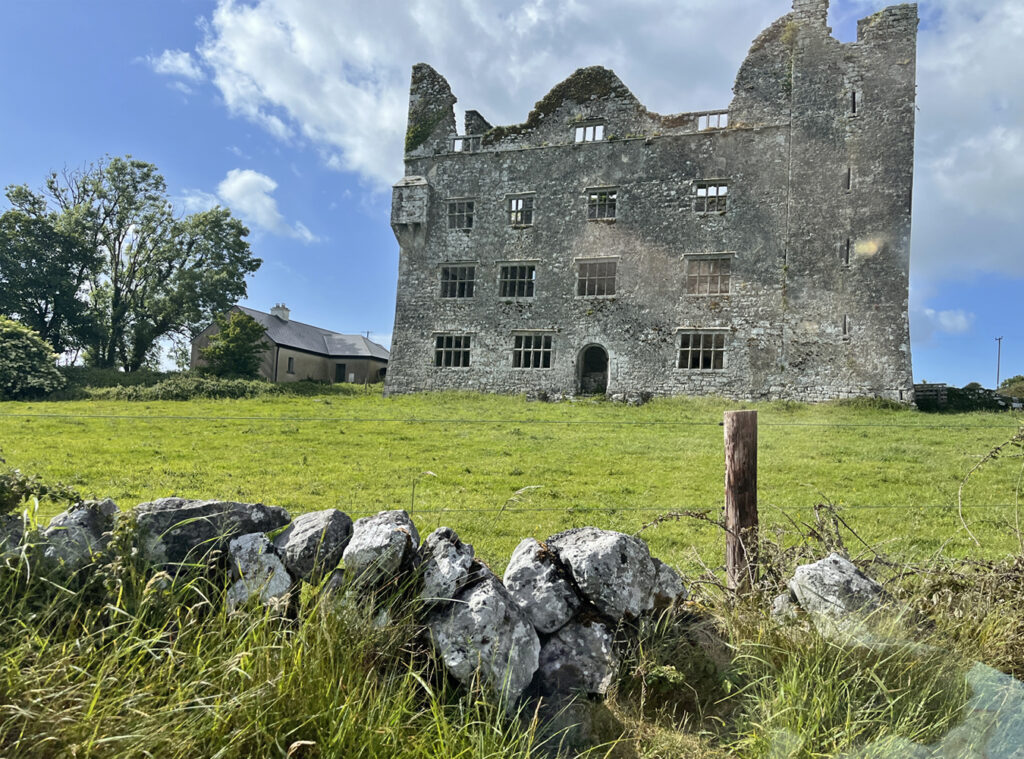
A partially ruined seat near Dromoland – interesting to see the rough stone jack arches above the “newer” larger windows.
Muckross Abbey, near Killarney, was a really inspiring stop. The friary was founded in the 15th century, and in the 17th century, Cromwell’s troops raided the friary and removed its roof to make it uninhabitable.
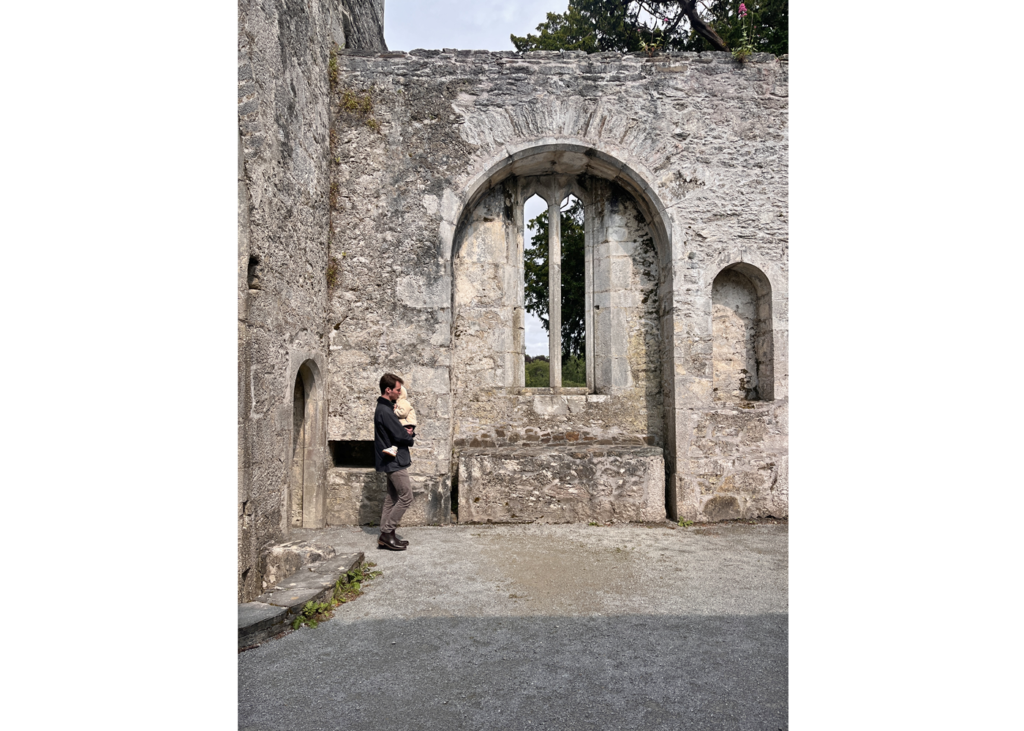
Within the roofless nave.
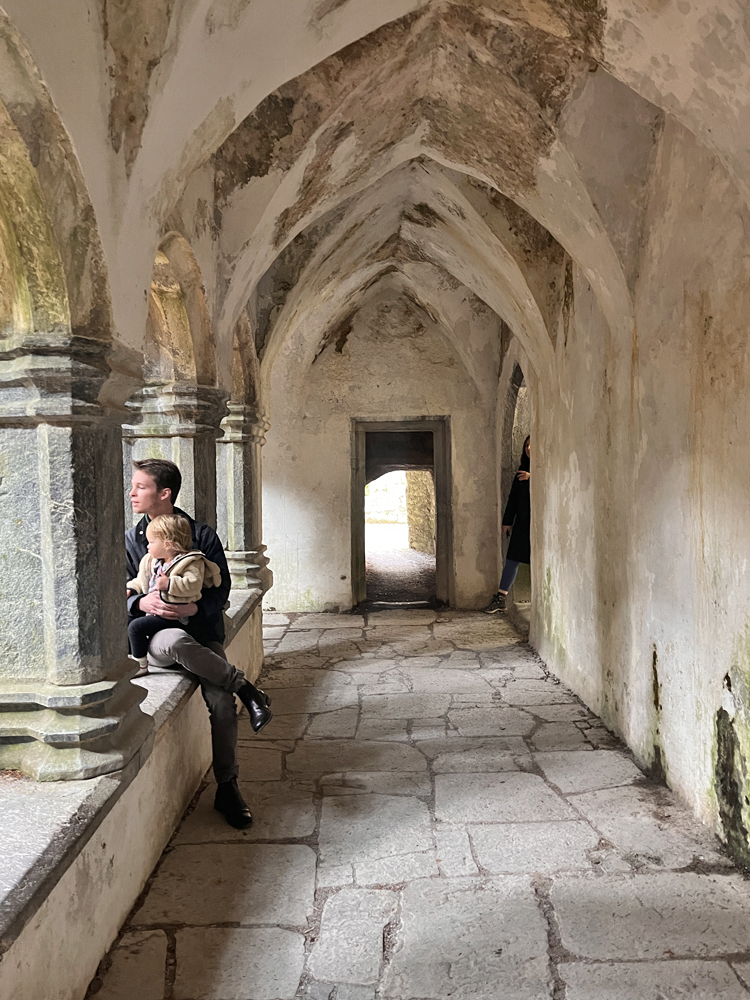
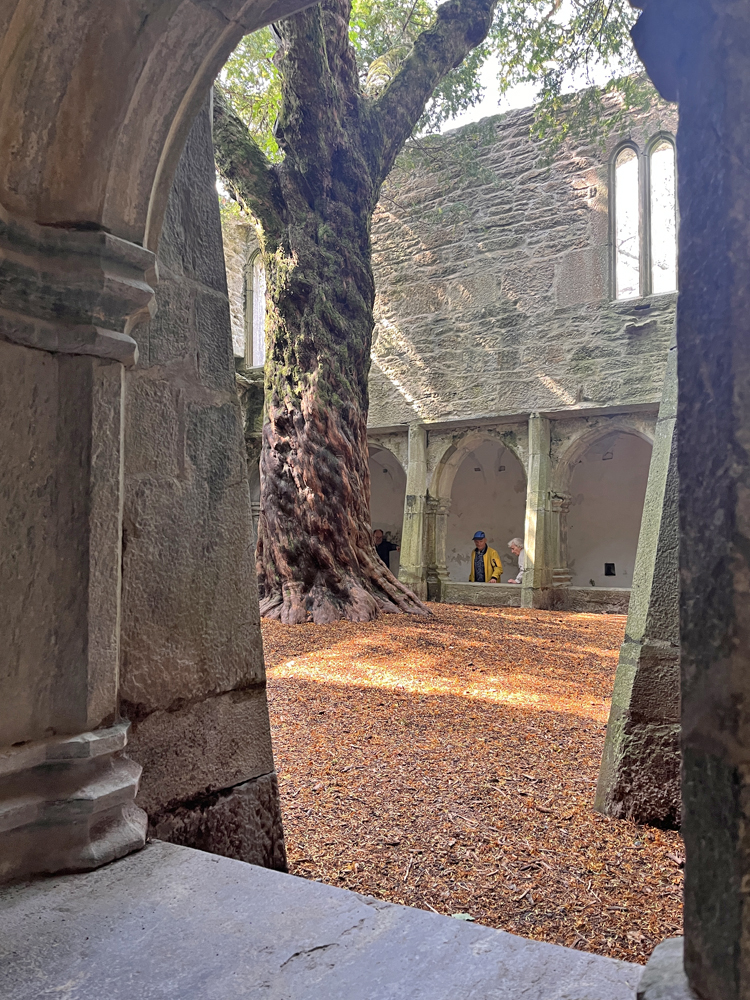
Left: The monastery cloister. Right: The cloister's yew tree is famed for being probably one of Ireland's oldest trees, at least 400 years old, and maybe even as old as the friary.
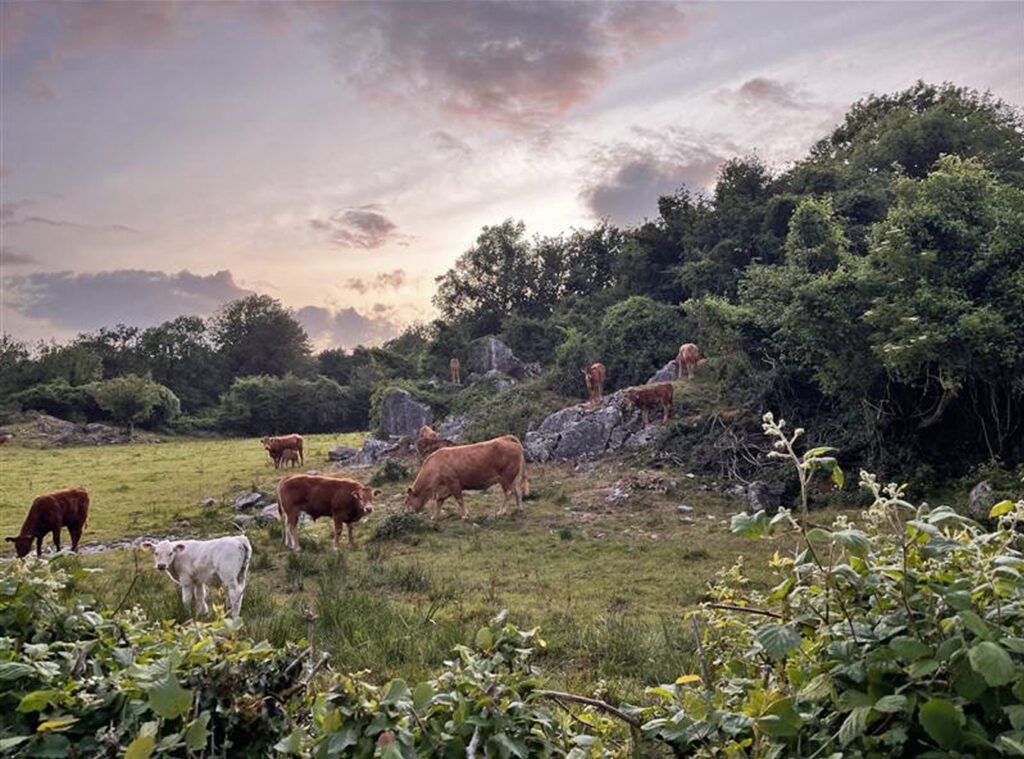
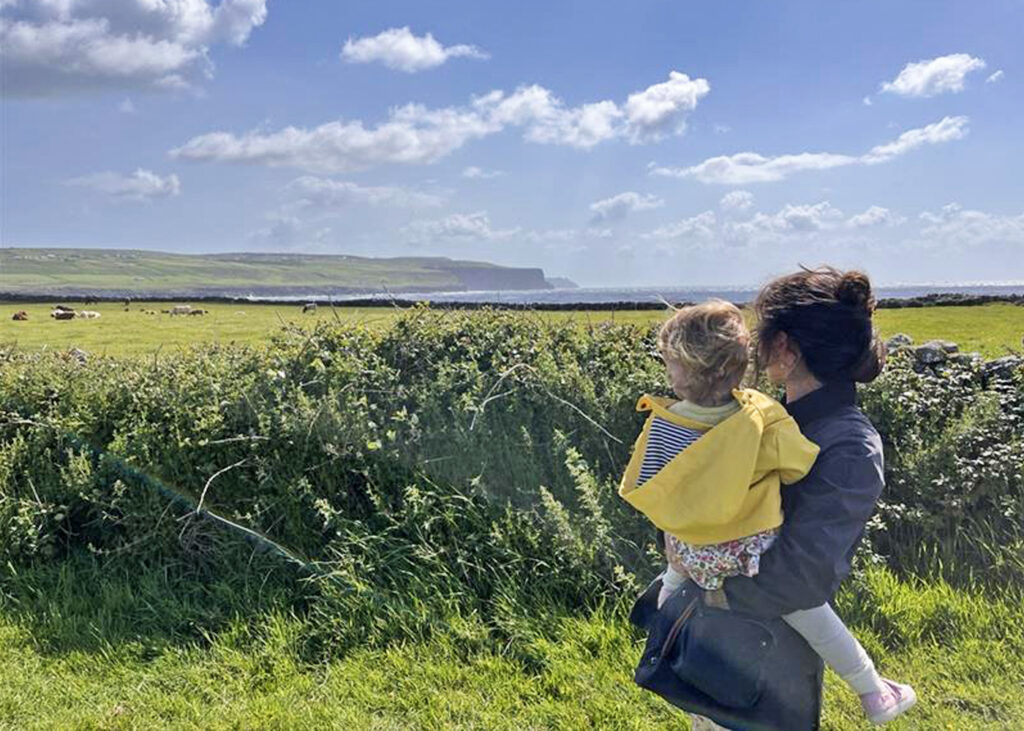
A break from architecture. We were pretty sure these cows were scoping out a site for their next barn.
The next few days were based in Cork, staying in the Irish Landmark Trust property within the Elizabeth Fort. The Trust maintains many incredible historic properties for short stays throughout Ireland, including the Elizabeth Fort Garrison in Cork City. Andrew thoroughly enjoyed having a giant skeleton key to the fort’s front gate and only slightly fettered access to cannons.
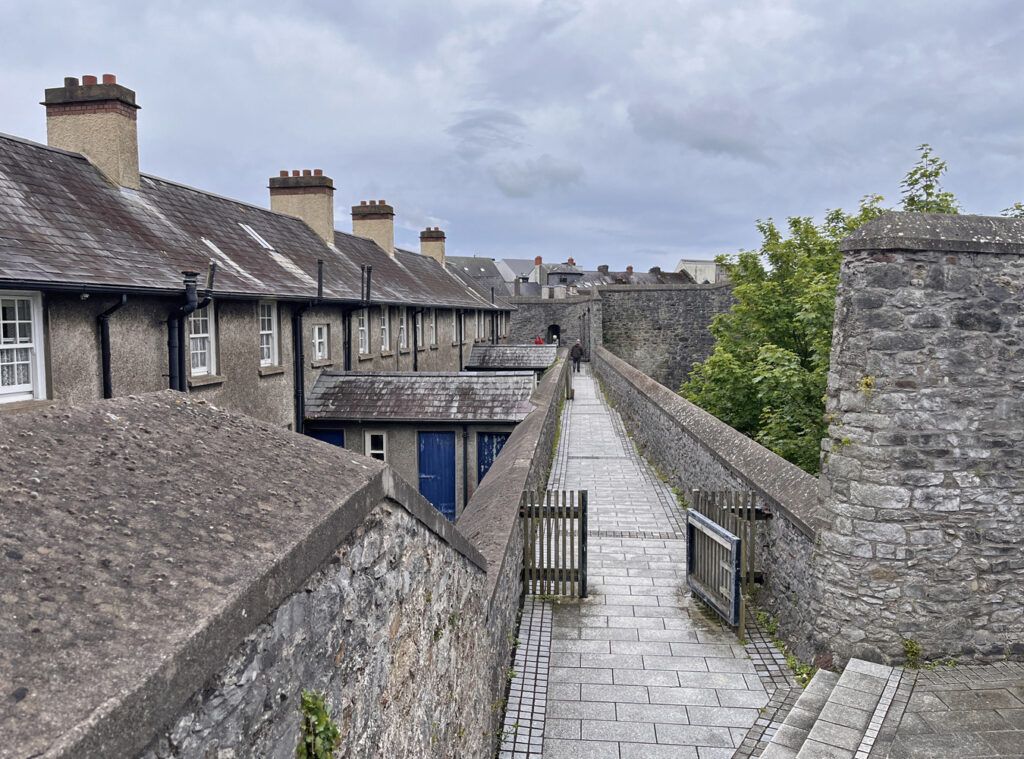
The view along the 17th century ramparts behind the early 1900s garrison.
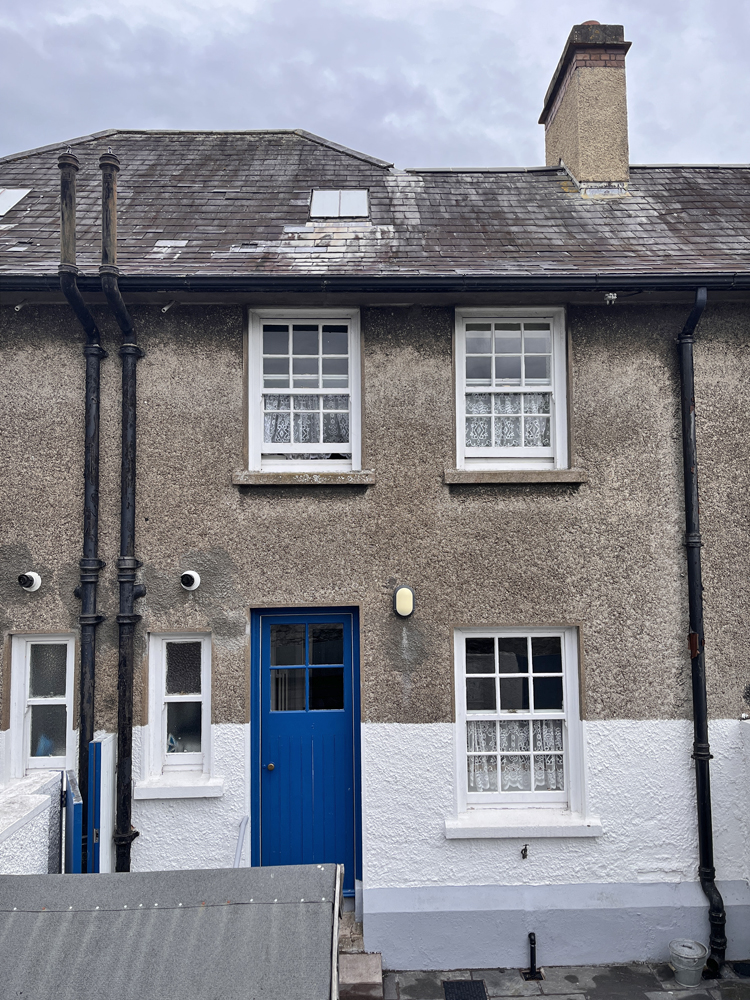
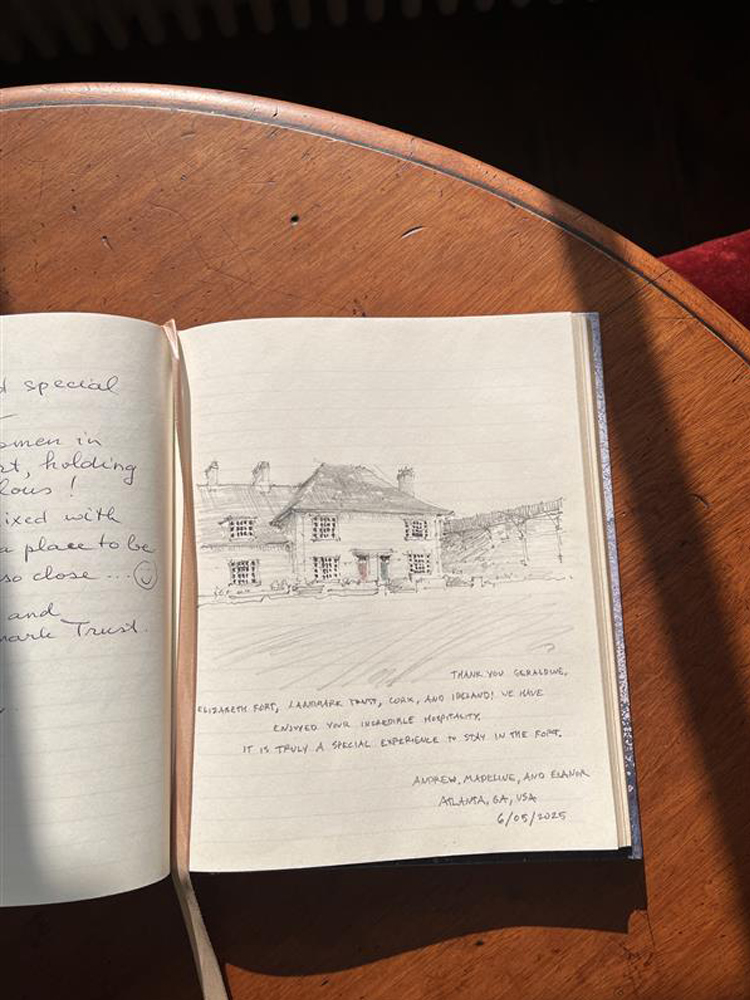
Left: The rear dooryard of one residential unit. An inspiring paint moment. The second floor windows are scaled down slightly from the ground floor windows, something that always makes the second floor seem cozier. Right: Andrew’s drawing of the officer’s houses within Elizabeth Fort.
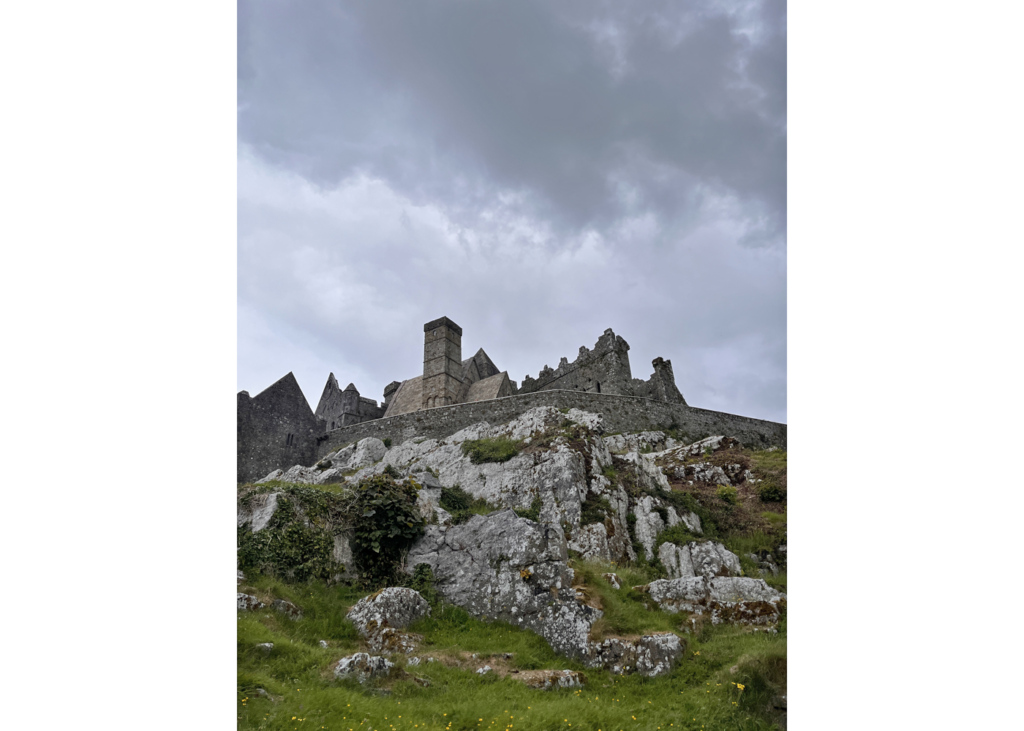
The Rock of Cashel was one of our last stops. The approach to the Rock of Cashel, a monolith topped by religious structures in the midst of rolling plains, is pretty dramatic. It’s a perfect ‘gothick’ ruin, complete with leaning tombstones and whirling ravens.
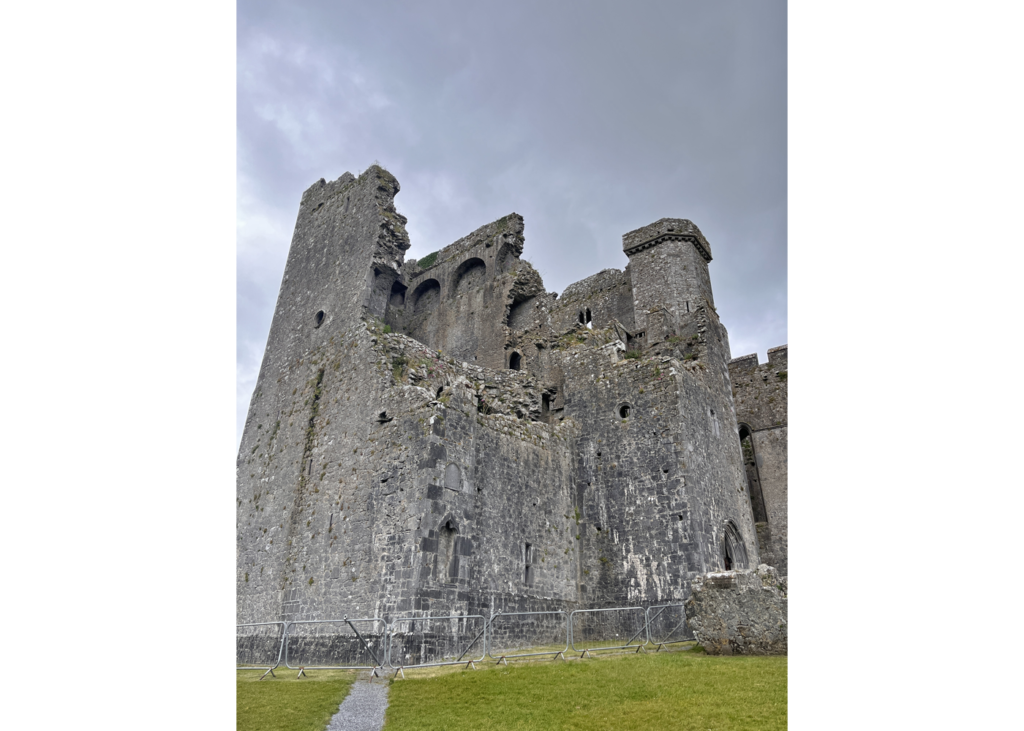
Inhabited since at least 500 AD, structures visible today include a small 12th century church built by Irish kings, the partially ruined and much larger mid-13th century cathedral built under the influence of Anglo-Norman invaders (pictured above), and a 15th century Vicars Choral.
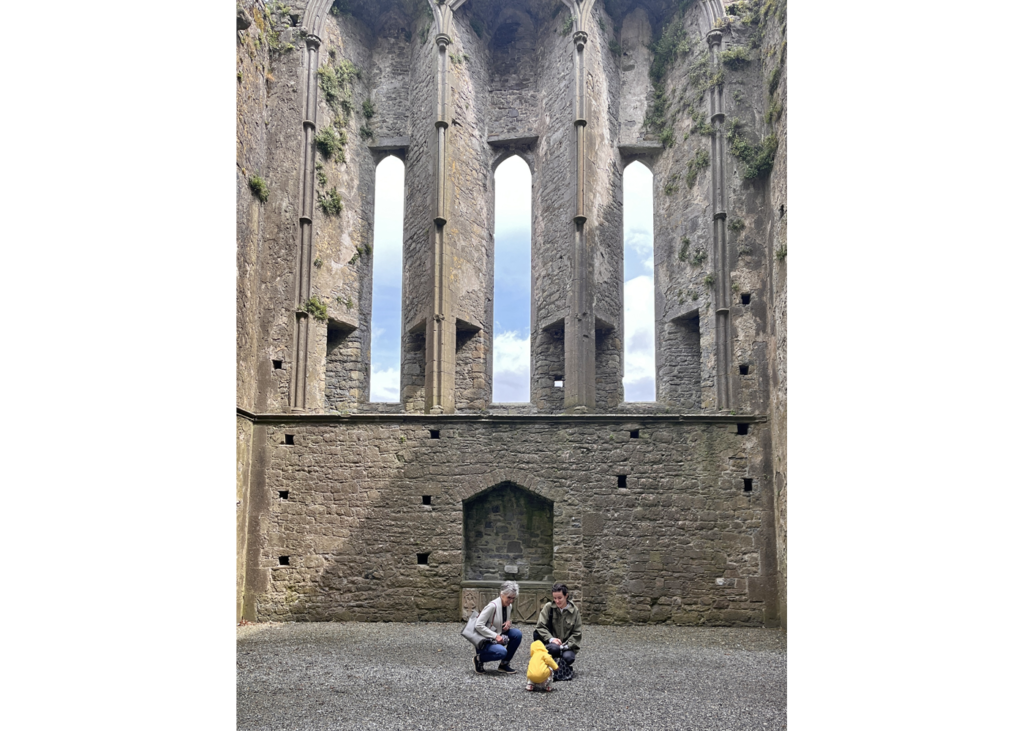
Looking into one of the transepts of the cathedral. The roof was removed in the 1700s by the Archbishop of Cashel to be used instead for the significantly less inspiring new church of St. John and St. Patrick's Rock, in the town below.
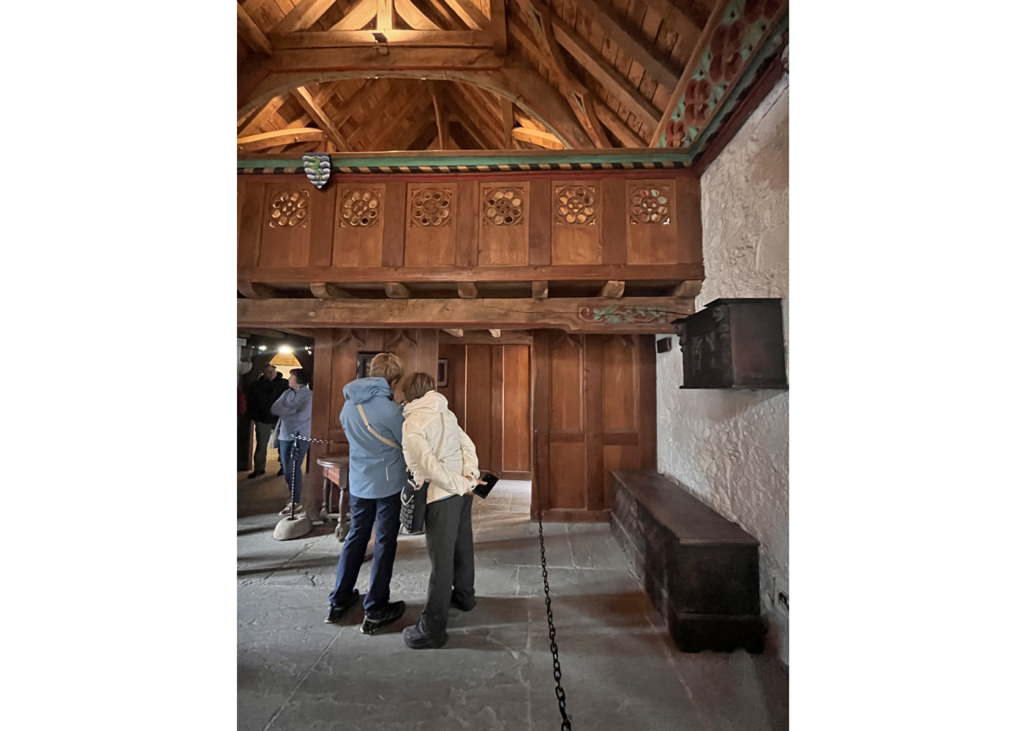
Some great timber structure and wood paneling in the 15th century Vicars Choral.
Another rocky promontory on the route back to Dublin, the Rock of Dunamase has been inhabited for over 1000 years. Ruined stone ramparts, gatehouses, and a blue-ceilinged main hall took us to C. S. Lewis’ Cair Paravel.
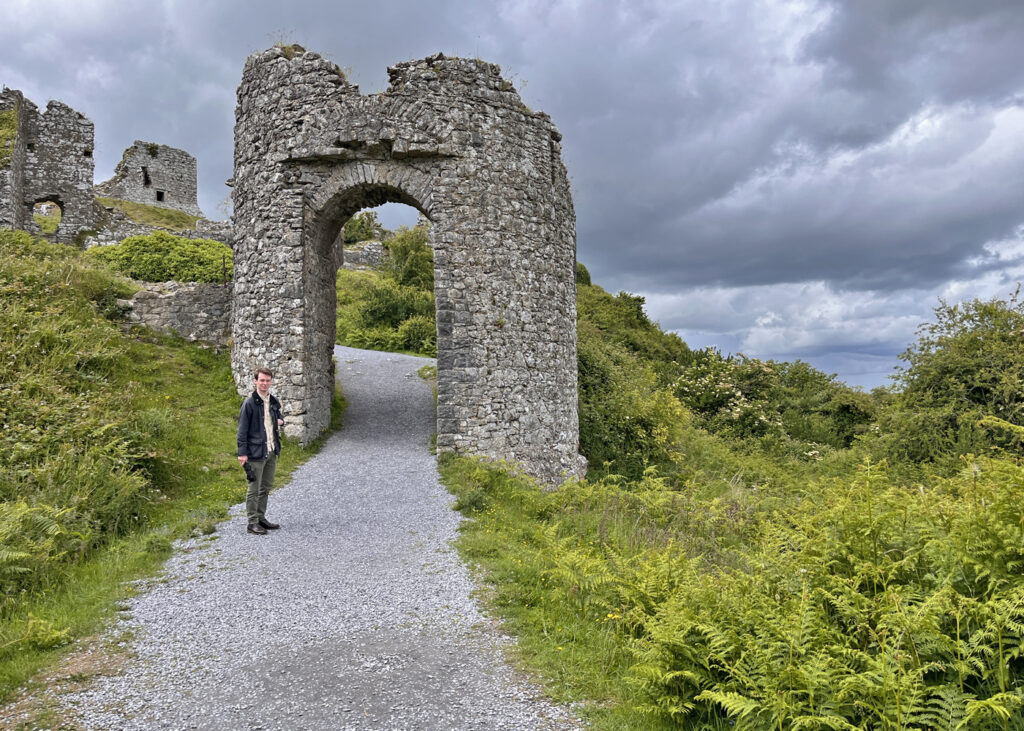
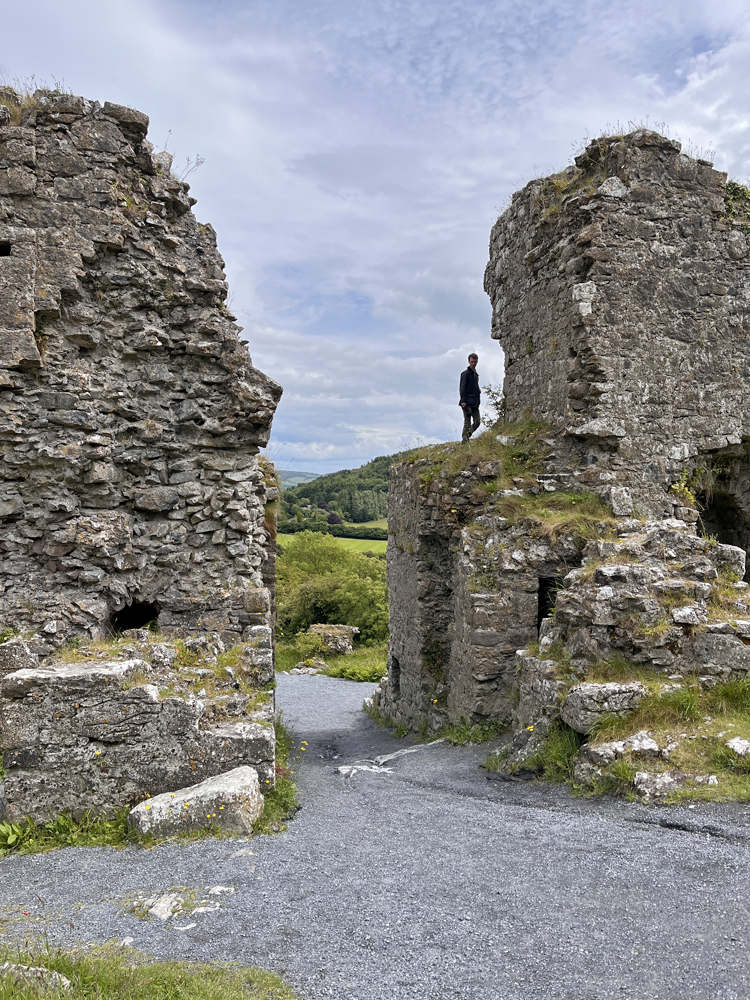
Left: The lower gatehouse. Right: The upper gatehouse.
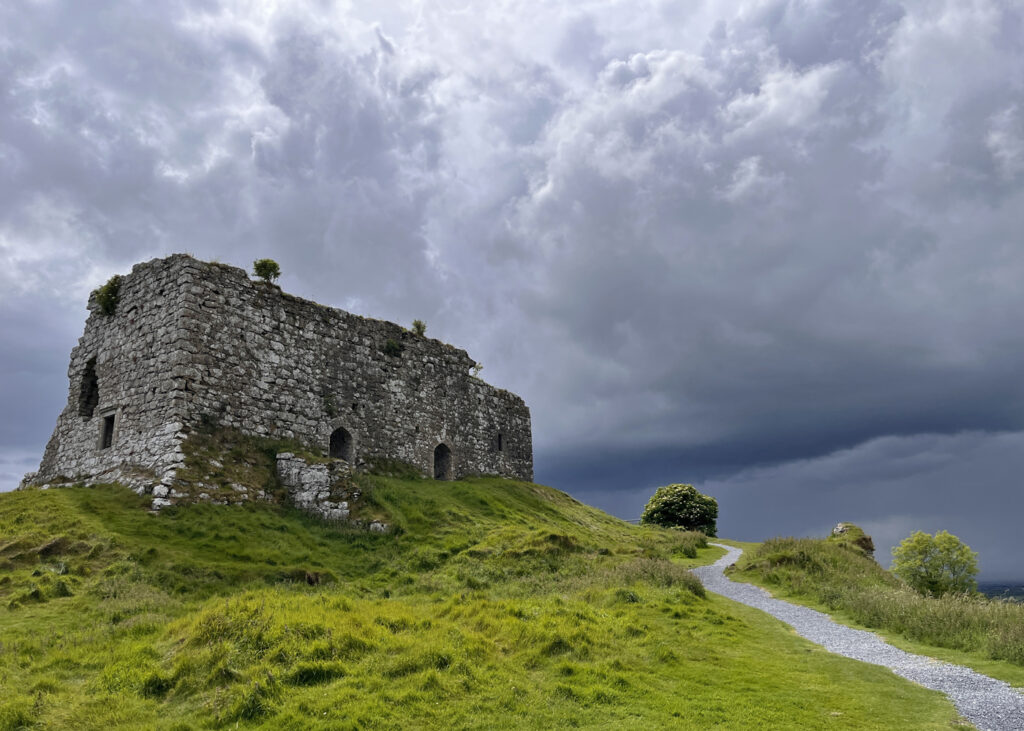
The main ‘banqueting’ hall.
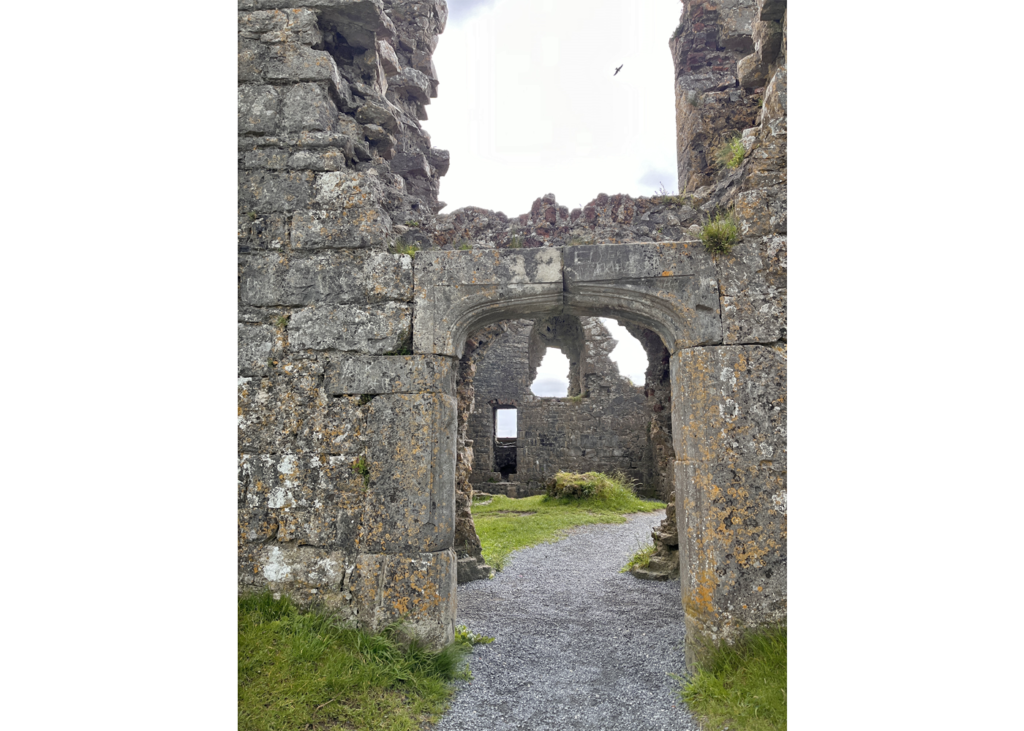
Decoration is sparse, except for a few moments. The door to the main hall.
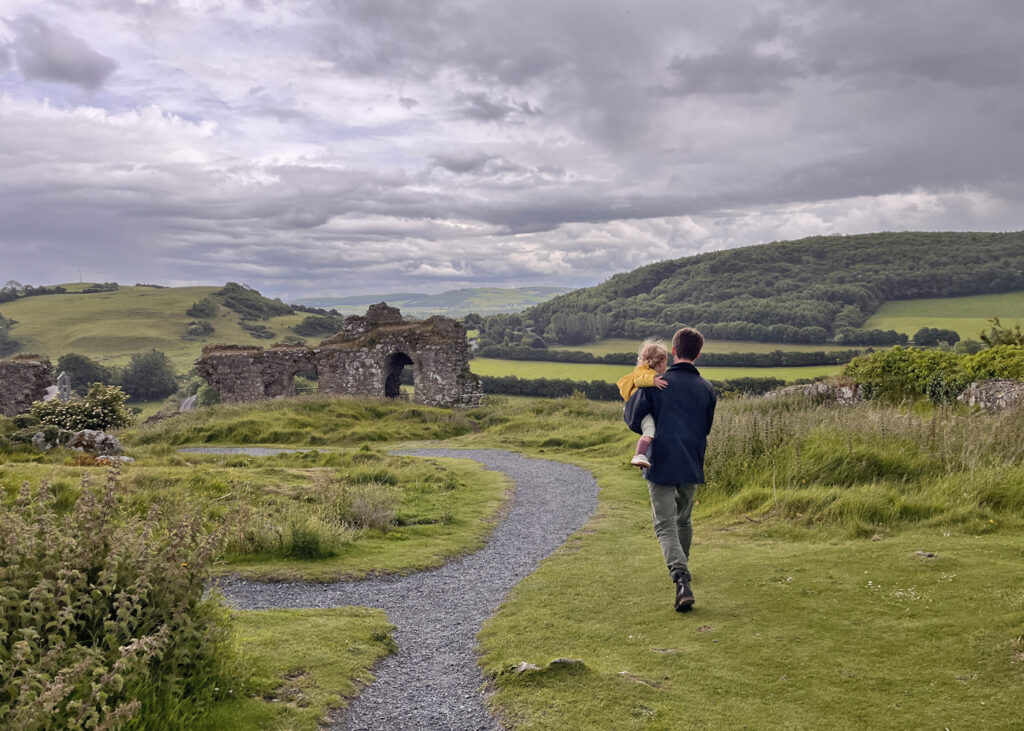
Our last stop before the airport was at the Roundwood House, an early 18th century house, and now a perfect place to stay overnight, and possibly our favorite place in Ireland. The exterior and interiors of the house are in a really wonderful Georgian style. It was easy to picture the architect and craftsman using pattern books, maybe the then-recently published “A Sure Guide to Builders”, or James Gibbs “Book of Architecture”, to work through the design of the house. Details here are less refined and academic, but significantly more home-y, than the Casino Marino, which was built a few decades later.
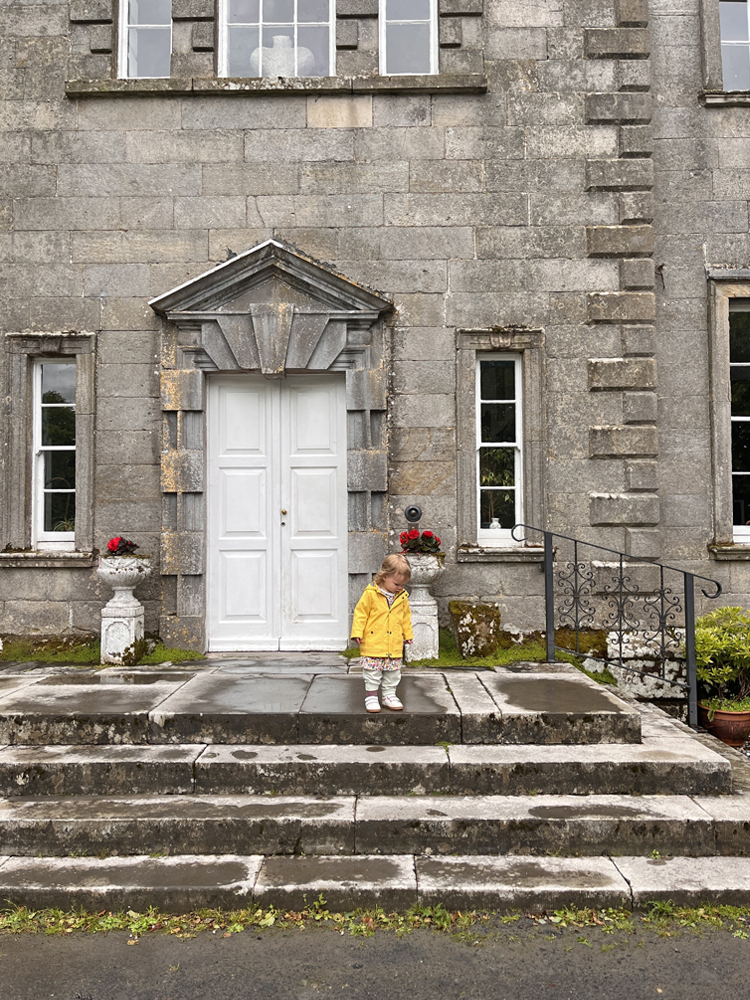
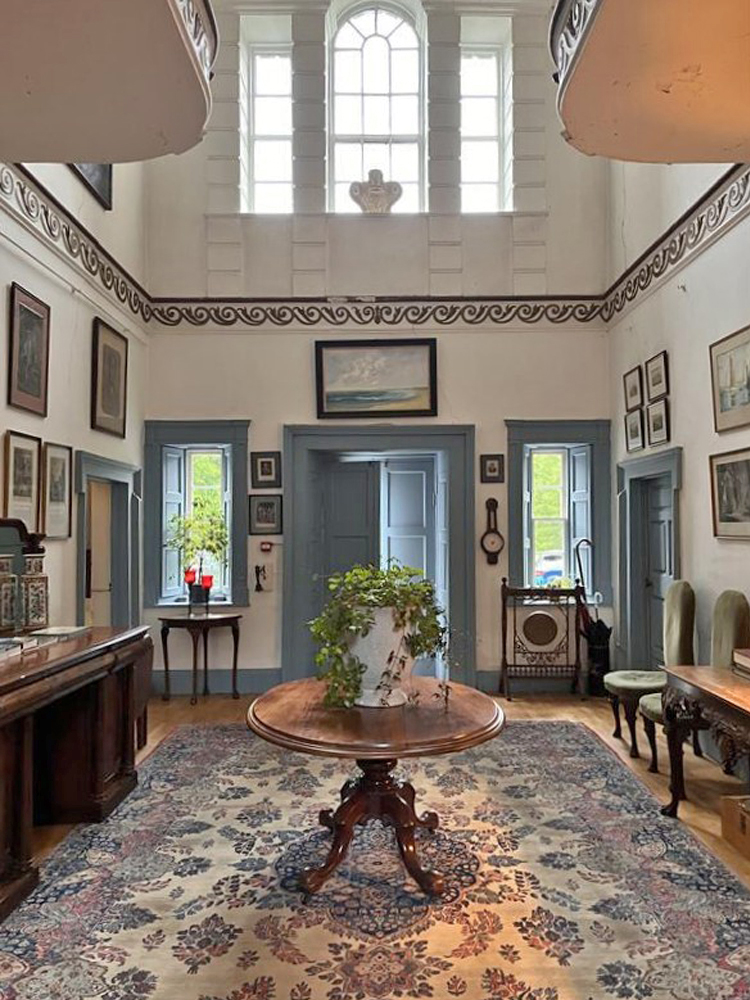
Left: The front door. Right: The entry hall, looking back to the front door.
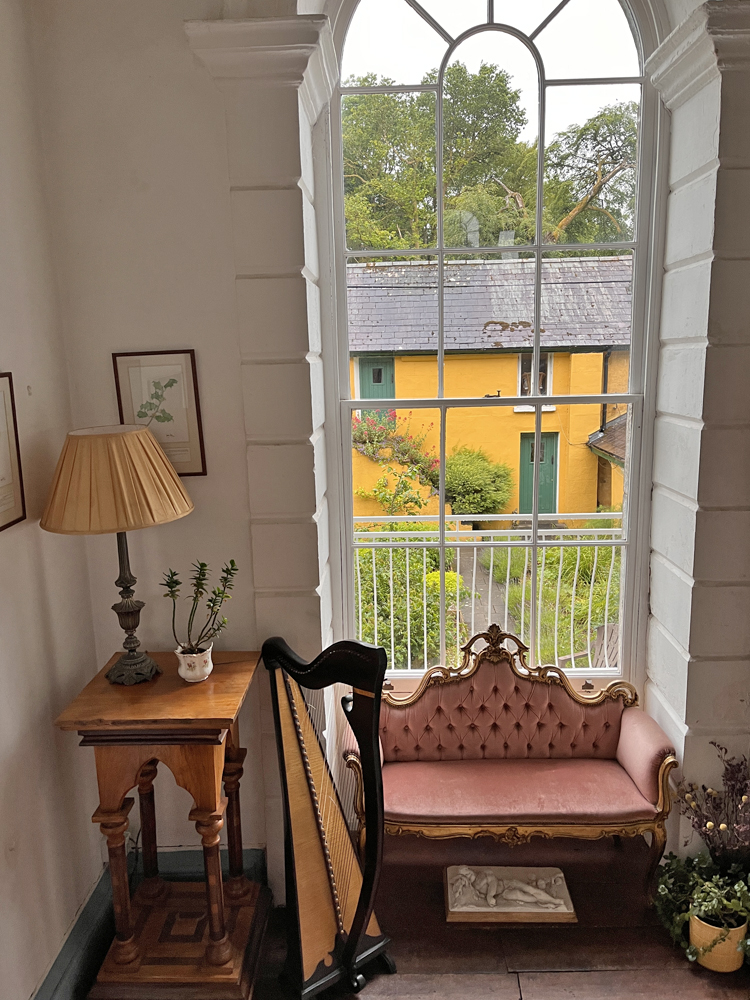
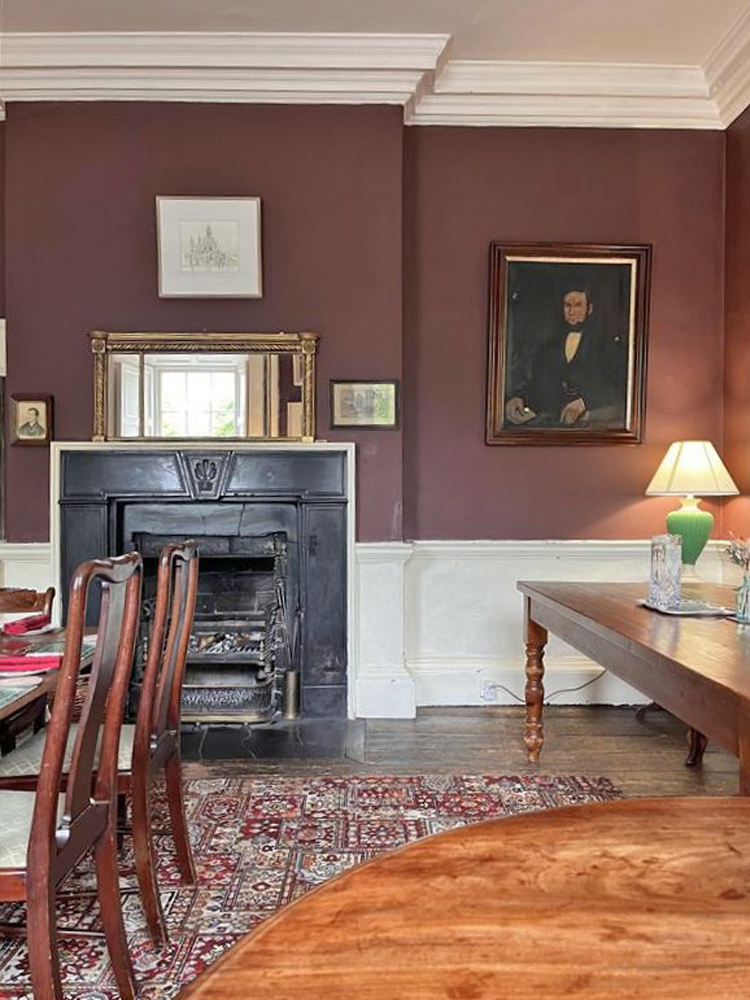
Left: A landing on the main stair, looking to stables through the window. Right: The dining room.
Hope you enjoyed this mix of Georgian Ireland and ancient/medieval Ireland! Thanks for reading!
